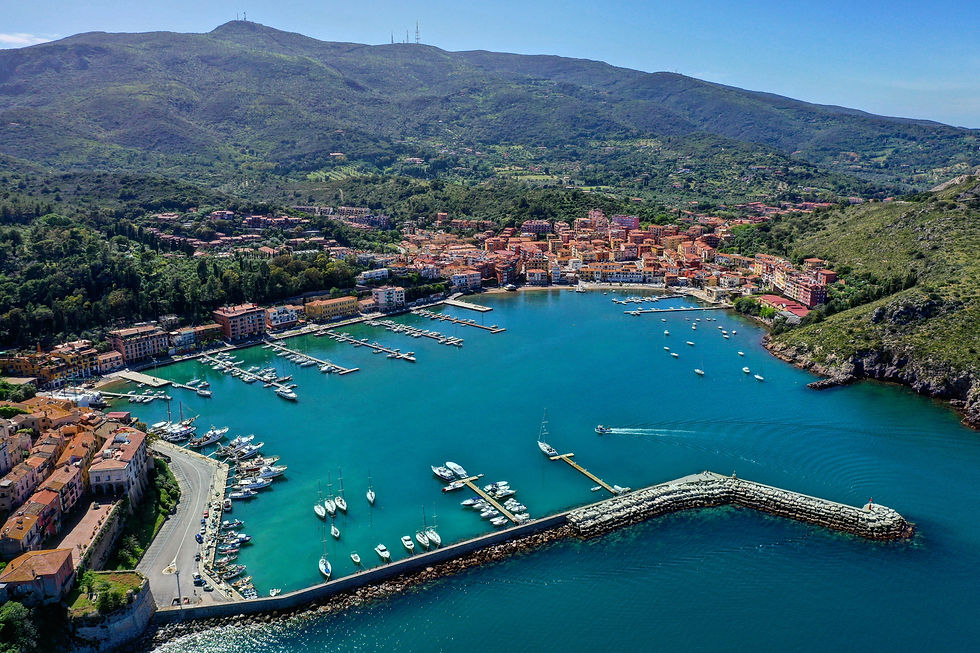
Destination Weddings in Italy
The private art of the unforgettable celebration — what we have learned, over a decade of work, about Italian weddings done at the highest level.

There is a particular look that comes over our most experienced wedding planners on the first call with a new client. It is a look of careful listening rather than of comfortable certainty. The reason is simple: every Italian wedding at the level we plan is, in some real sense, a wedding that has not been done before. The venue has been done. The supplier list has been refined. But the way in which the two families involved will meet, the way in which the flowers will sit on the long evening table, the way in which the music will move the guests from the ceremony to the dinner to the dance floor and back again — these are decisions made afresh each time, and getting them right is the work.
What Italy Permits
Italy is, for the international wedding client, a deeply hospitable country with a few specific bureaucratic difficulties. The major one is that civil weddings of foreign nationals require a particular set of documents — the Nulla Osta, the Atto Notorio, the consular declarations — which our office handles entirely on the client's behalf, but which require six to nine months of advance planning. Religious weddings, for Catholic couples especially, can be conducted in many of the country's historic churches with the right pre-Cana paperwork. Symbolic ceremonies — the most flexible option, used by perhaps half of our wedding clients — can be conducted anywhere, by any officiant the couple chooses, with no documentation requirement.
What this means in practice is that the wedding planning conversation has, on the first call, a different character depending on the legal frame the couple has chosen. Most of our clients, on reflection, choose a symbolic ceremony in Italy with the legal marriage handled at home. The result is an Italian wedding without the bureaucratic constraint, and it is the form we recommend most often.
The Venues That Hold
There are perhaps fifty venues in Italy at which we will conduct a wedding at this level. They divide, broadly, into four categories. The villa — privately owned country properties that take only one wedding at a time, typically for parties of forty to one hundred and twenty: Villa Cetinale near Siena, Villa La Foce in the Val d'Orcia, Borgo Egnazia in Puglia for the larger parties, Villa Pizzo on Lake Como, Villa del Balbianello for the most theatrical lakeside ceremony. The historic estate — working agricultural properties with the staff and the infrastructure for a large event: Castello di Vicarello, Castello di Reschio in Umbria, Borgo di Vagli. The hotel — the great hotels that host weddings without losing themselves to them: the Caruso in Ravello, Le Sirenuse, the Splendido in Portofino, Il Pellicano on the Argentario. And the unique site — the venue chosen for its singularity rather than its hotel infrastructure: a Roman cloister on the Aventine, a Sicilian baroque palazzo in Noto, a private island in the Venetian lagoon.
The choice of venue is, in our experience, ninety per cent of the wedding's character. We spend the first two months of any planning relationship on this question and on this question alone.
What We Have Learned
Three lessons from the work, offered briefly. First: the quality of the wedding correlates, with surprising tightness, to the quality of the friends and family in the room rather than to the budget per head. We have produced weddings at four times the per-head cost of others that were less moving. Second: the dinner is more important than the dance. Italian weddings at our level tend to run six or seven hours from the cocktail to the last drink, and the dinner — its length, its courses, its toasts, its slow climbs and small dips — is the spine. A great band and a beautifully lit dance floor will not save a thin dinner. Third: the morning after matters. The breakfast on the day after the wedding, with a smaller party of family and the closest friends, in a quieter setting than the night before, is often the meal at which the marriage actually settles into being a marriage.
We design with these three principles in mind, and we have not yet, in a decade of work, regretted having done so.
The Months That Reward
June and September are, by some distance, the most-requested months for Italian weddings, and they are correctly requested. The weather is reliable, the gardens are at peak, the daylight is long. We try, however, to push our clients toward late May and early October when their dates permit. Late May in Tuscany is the month of the iris and the wisteria; early October in Apulia is the month of the late summer warmth without the August load. These are weeks at which the Italian setting is at its most generous and at which the suppliers — the florists, the bands, the chefs — are at their most attentive.
An Italian wedding done well is, we believe, the closest thing modern travel offers to a great work of the social arts. We are privileged to do them, and we try, each time, to do one that the next generation of the family will speak about.