Rome at Eastertide
Private Vatican access, papal audiences, and the Eternal City's finest suites — for the traveller who wants to attend Rome in its most ceremonial week.
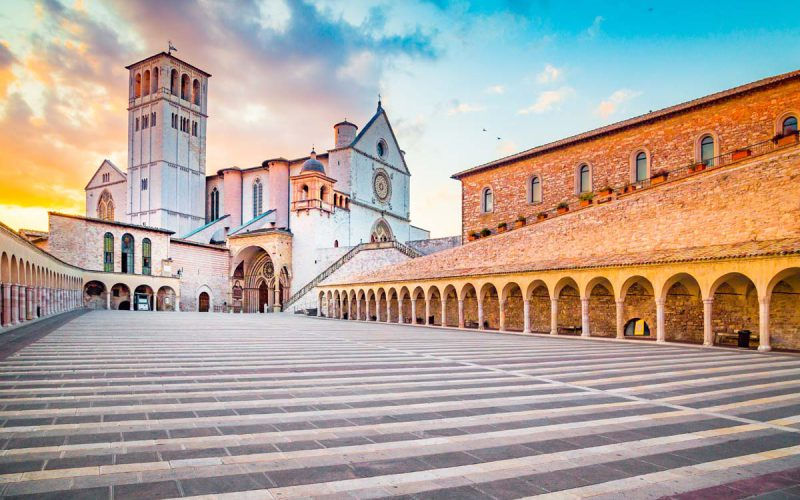
The first thing the Roman calendar does each year is lean in toward Easter. From the moment Carnival ends and Lent begins, the city is in a slow, accumulating preparation for the week that, more than any other, is what the calendar of Rome was built around. The Vatican publishes its Holy Week schedule. The pilgrims begin to arrive in the second week of March. The hotel rates climb. The Pope's appearances thicken. And by the Wednesday before Easter — Mercoledì Santo — the city has tipped into the rhythm that has been more or less continuous since the fourth century.
What the Holy Week Actually Is
Each of these can be attended, with the right planning, with seats reserved well in advance. We work with a small office in Rome that arranges this, and the planning typically begins in the previous September. By March, what is available is what is available; this is a calendar that does not flex.
Private Access at the Vatican
Beyond the public liturgical events, the Vatican offers — to a small number of well-introduced visitors — a category of access that the daytime visitor does not see. The most considered of these is the after-hours private opening of the Vatican Museums, in which a party of up to twelve enters the Museums after the public has left, takes a curatorial tour through the Belvedere Court, the Pinacoteca, the Raphael Rooms, and finishes alone in the Sistine Chapel for as long as the party wishes to remain. The visit, in our experience, takes around three hours and is, for many of our clients, the highest single hour of any Italian journey.
We also arrange — when permitted by the Pope's calendar and by the protocol office — semi-private papal audiences for parties of forty or fewer in the smaller halls inside the Apostolic Palace. These are not the large general audiences of the Wednesday morning in Saint Peter's Square; they are smaller, more personal, and they require a particular kind of advance application that our office handles.
The Hotels of Holy Week
Hotel choice in Rome is more consequential at Easter than at any other time of the year, because the city is at capacity. The hotels we work with most closely for the week — the Hotel de la Ville, the Hotel de Russie, the Hassler at the top of the Spanish Steps, the Six Senses on Piazza di Pietra, the relatively new Bulgari — are typically full a year in advance. We allocate Easter week rooms to our most established clients in late spring of the previous year. Last-minute requests can occasionally be filled, but the headline suites — the Borghese Suite at the Russie, the Picteau Suite at the Hassler — are not realistically available without long planning.
For clients who want more than a hotel, we arrange a small number of private apartments and palazzo floors that come to us through private relationships. A floor of an old Roman palazzo near Piazza Farnese, with three bedrooms and a private terrace, taken with a butler and a chef, is for the right party an experience the hotels cannot match.
The Days Around the Religious Days
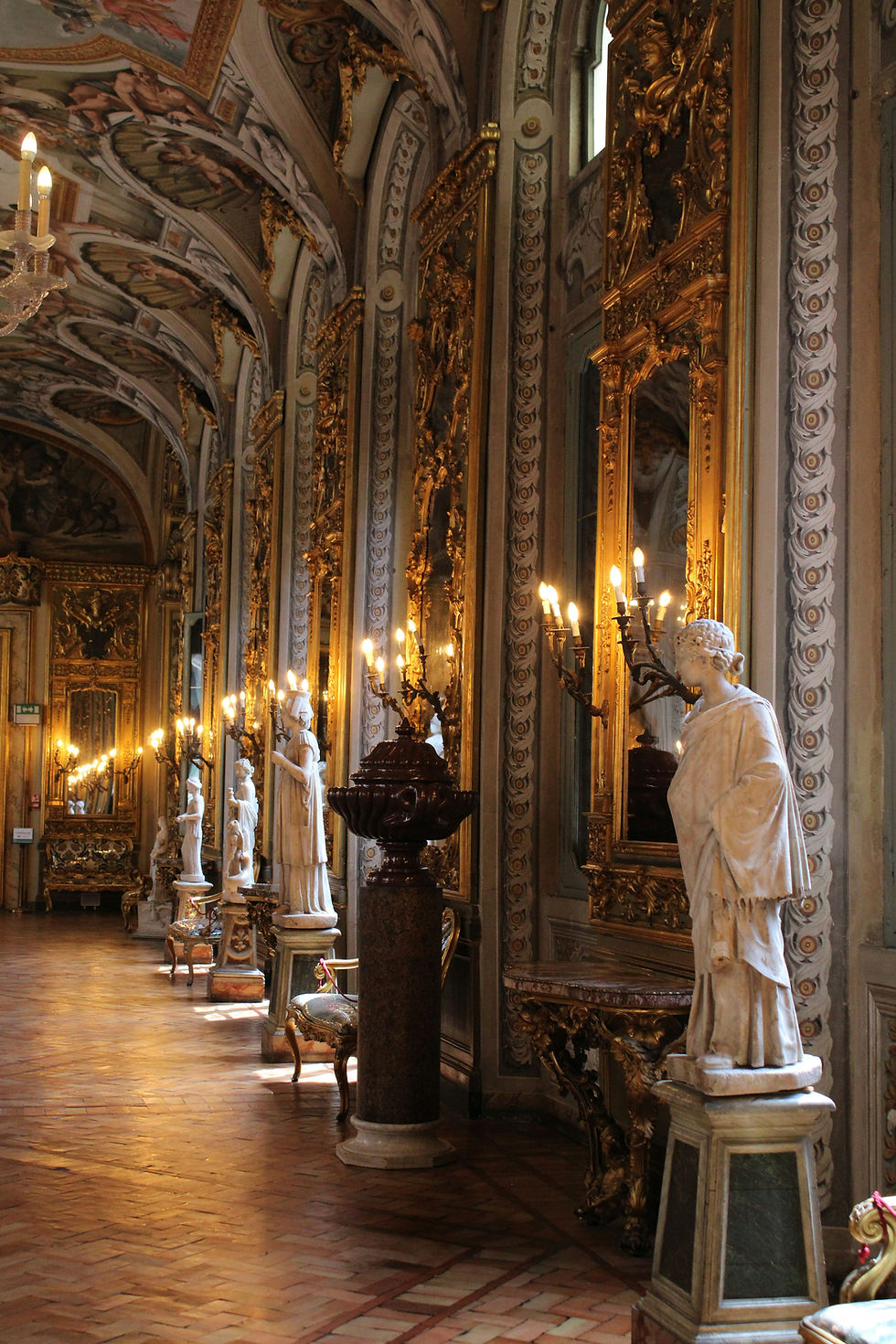
Holy Week is not, of course, only the religious calendar. The city around it is in its most beautiful weeks — late April, the Roman pines, the wisteria on the Aventine, the blossom in the Giardino degli Aranci above the Tiber. We arrange the days around the religious events to take advantage of this. A long lunch at Pierluigi after Palm Sunday Mass. An afternoon at the Galleria Doria Pamphilj on the day between liturgies. A private dinner in a Roman noble family's apartment near the Pantheon on Holy Saturday evening.
Rome at Easter is, for the right client, the most concentrated experience of Italy that the year offers. It is also, for a different reason, the most intimate. The Pope's events are public; everything else, in the way we arrange it, is not.